
/ Case study
Salym
A bilingual site for a finance company in Almaty: from the content model and CMS to the client’s server. Built from a designer’s mockups.
Made together with
SashaSite design
/ 01 The brief
A site that leads to an application.
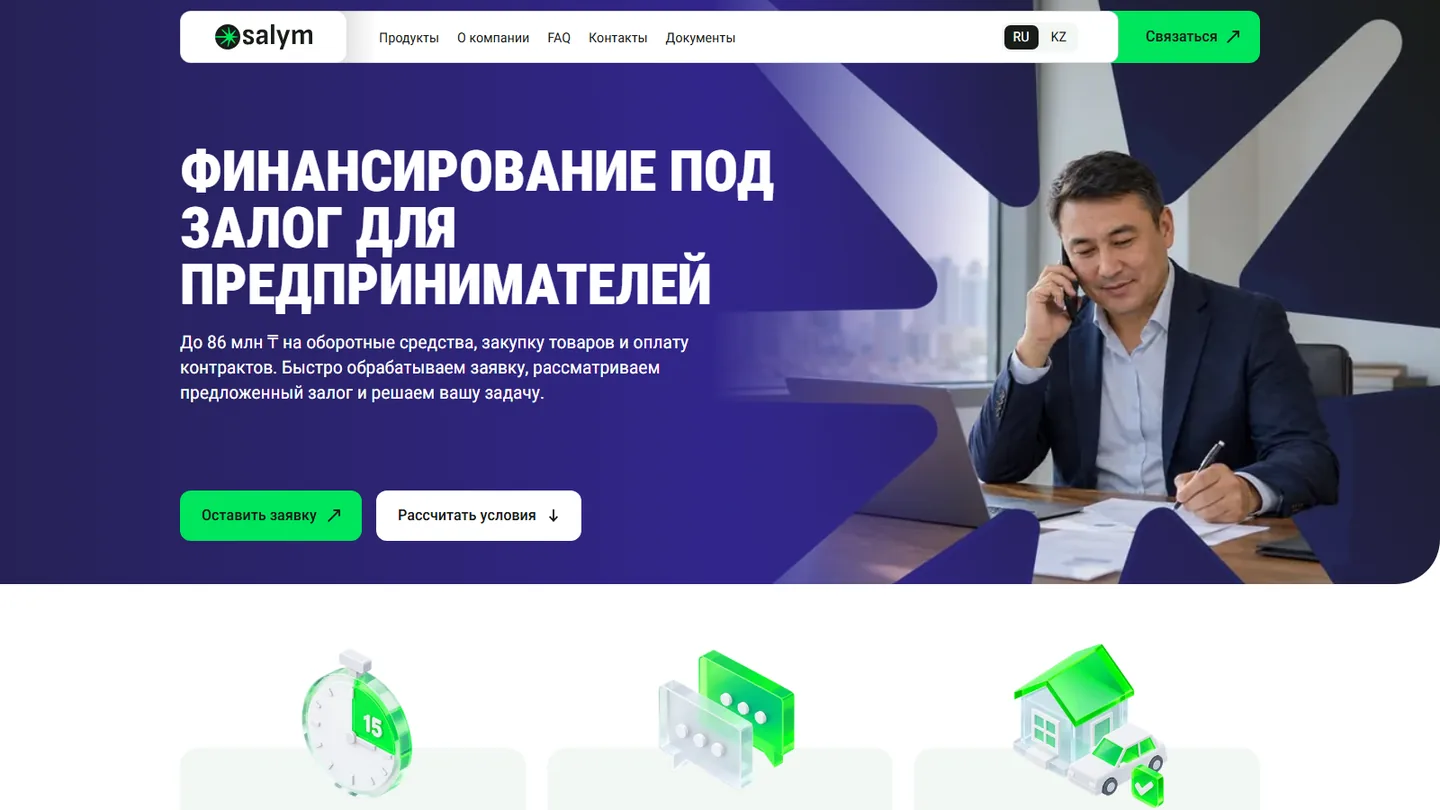
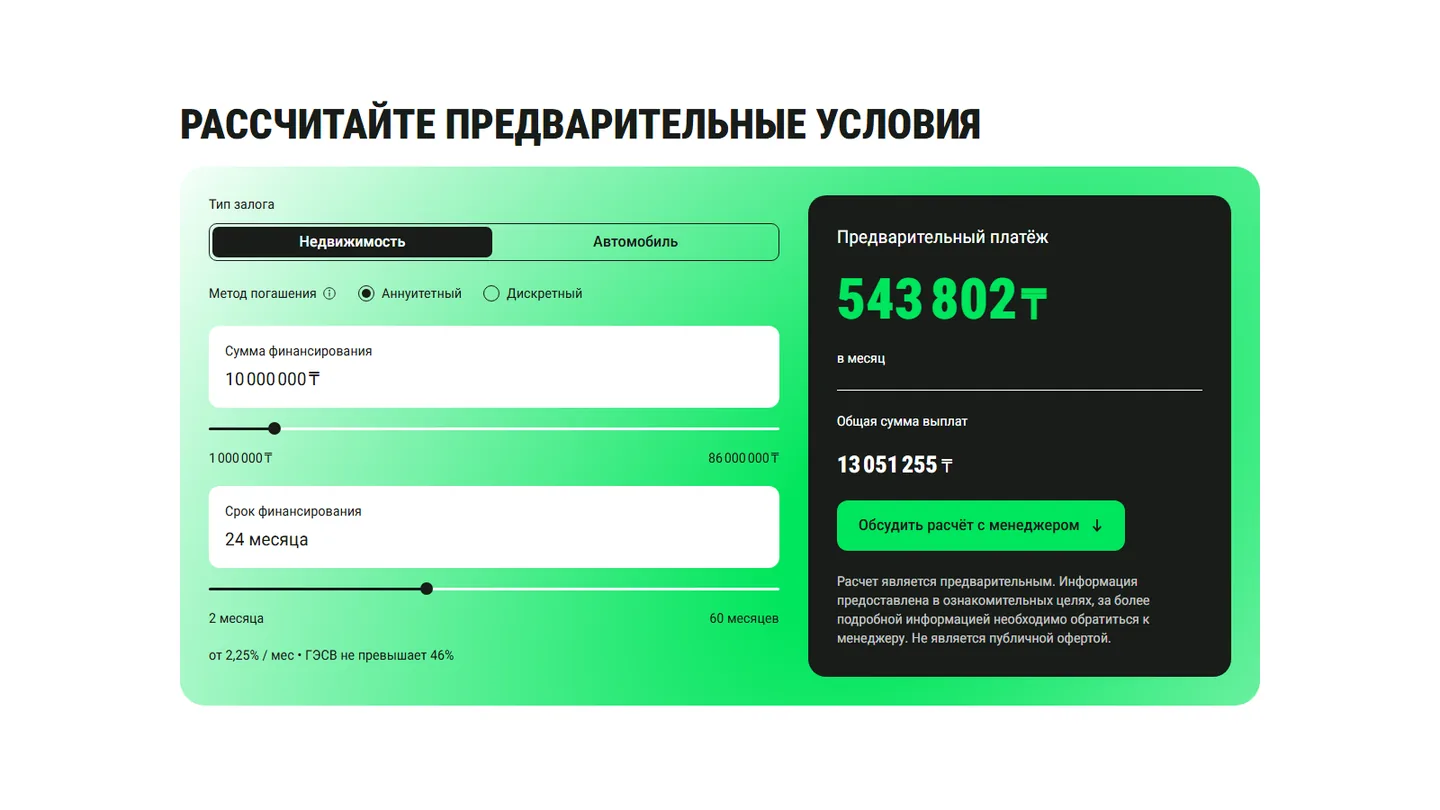
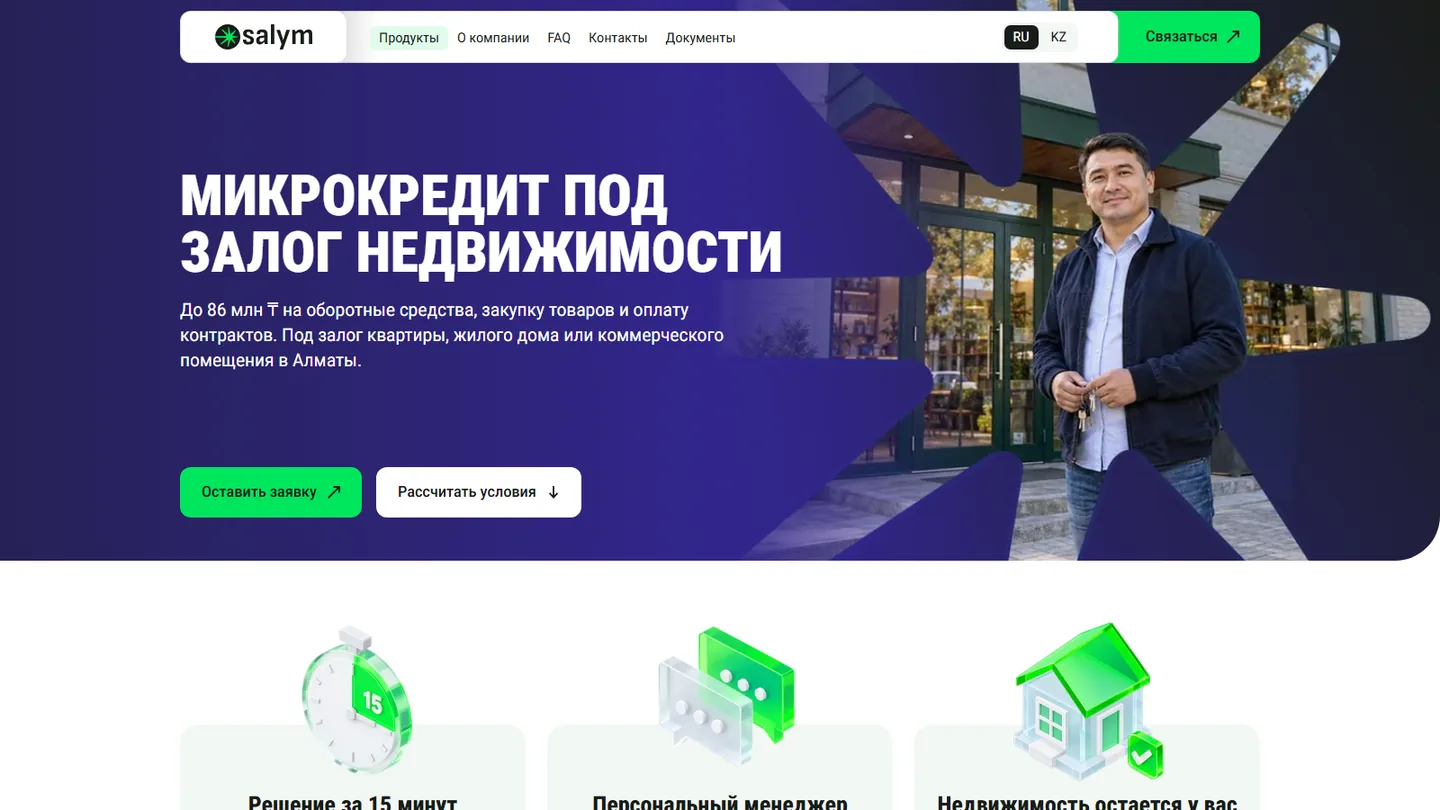
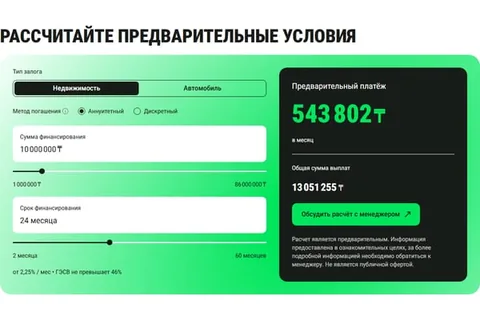
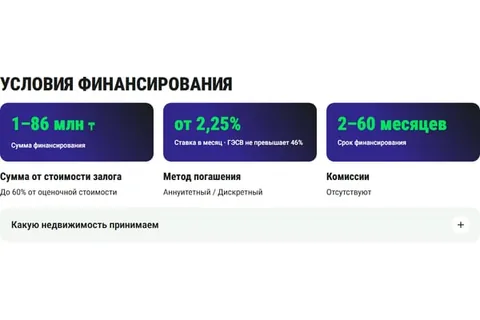
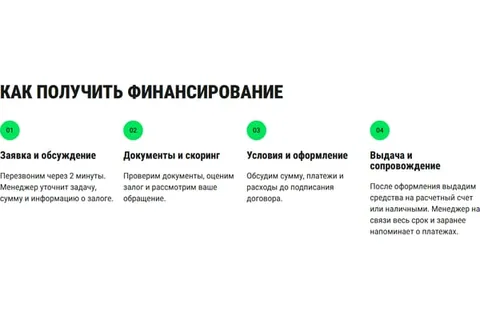
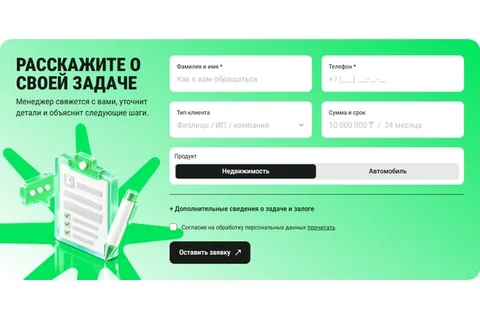
Salym is a finance company in Almaty: microloans for entrepreneurs secured by property or a car. The site presents the products and leads a visitor along “product → terms → calculator → application”, and the application lands in the CRM. In two languages, Russian and Kazakh.
/ 02 Pages
Twenty blocks instead of a page builder.
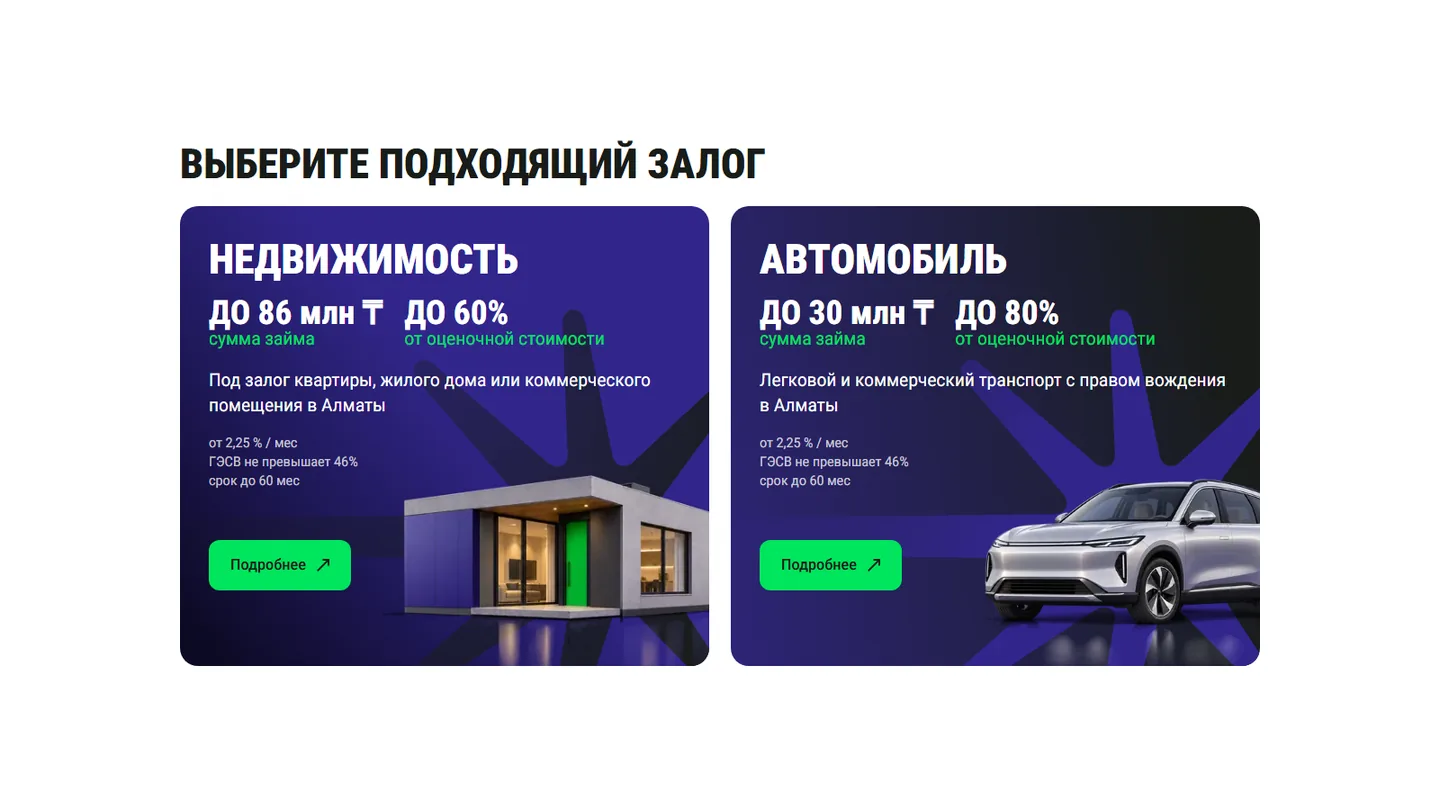
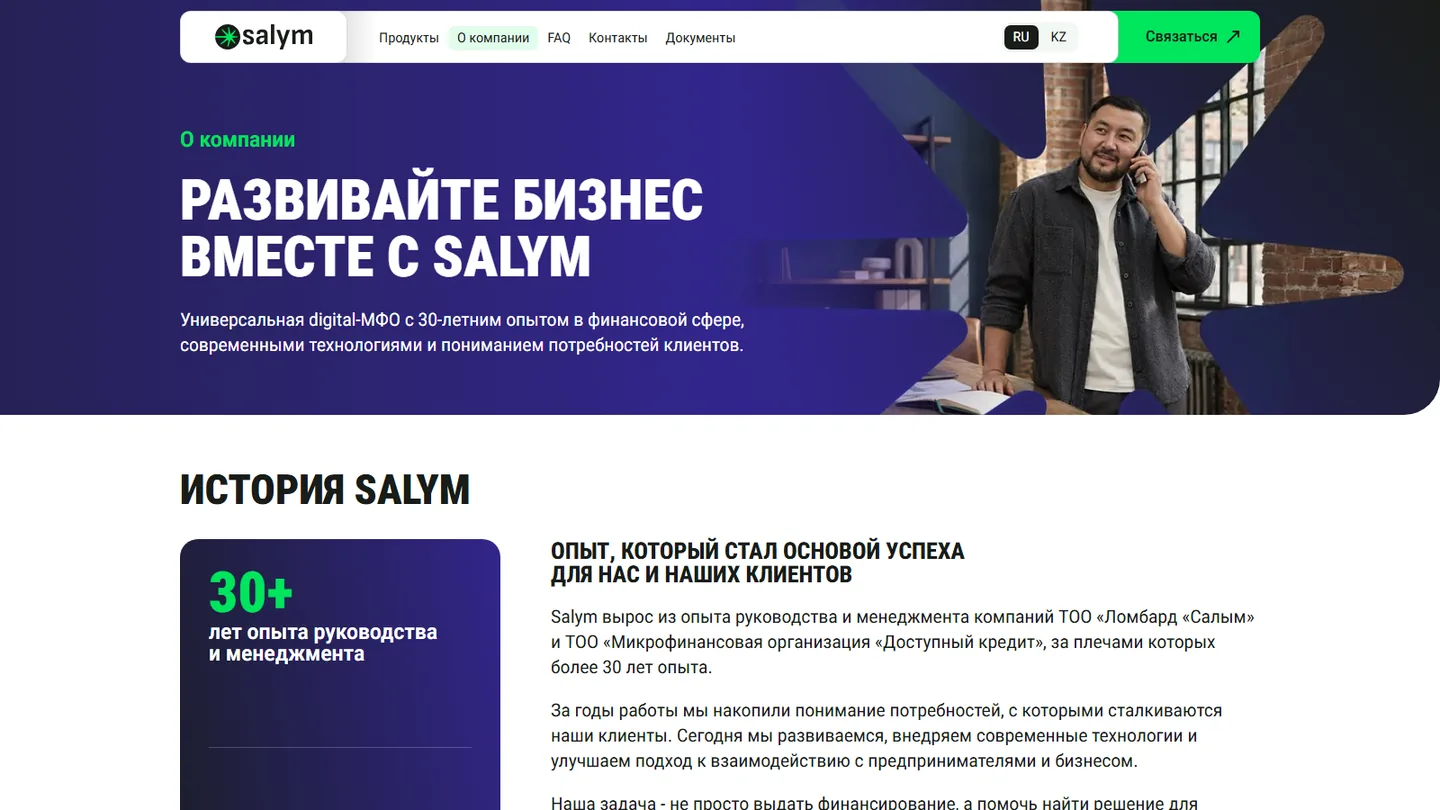
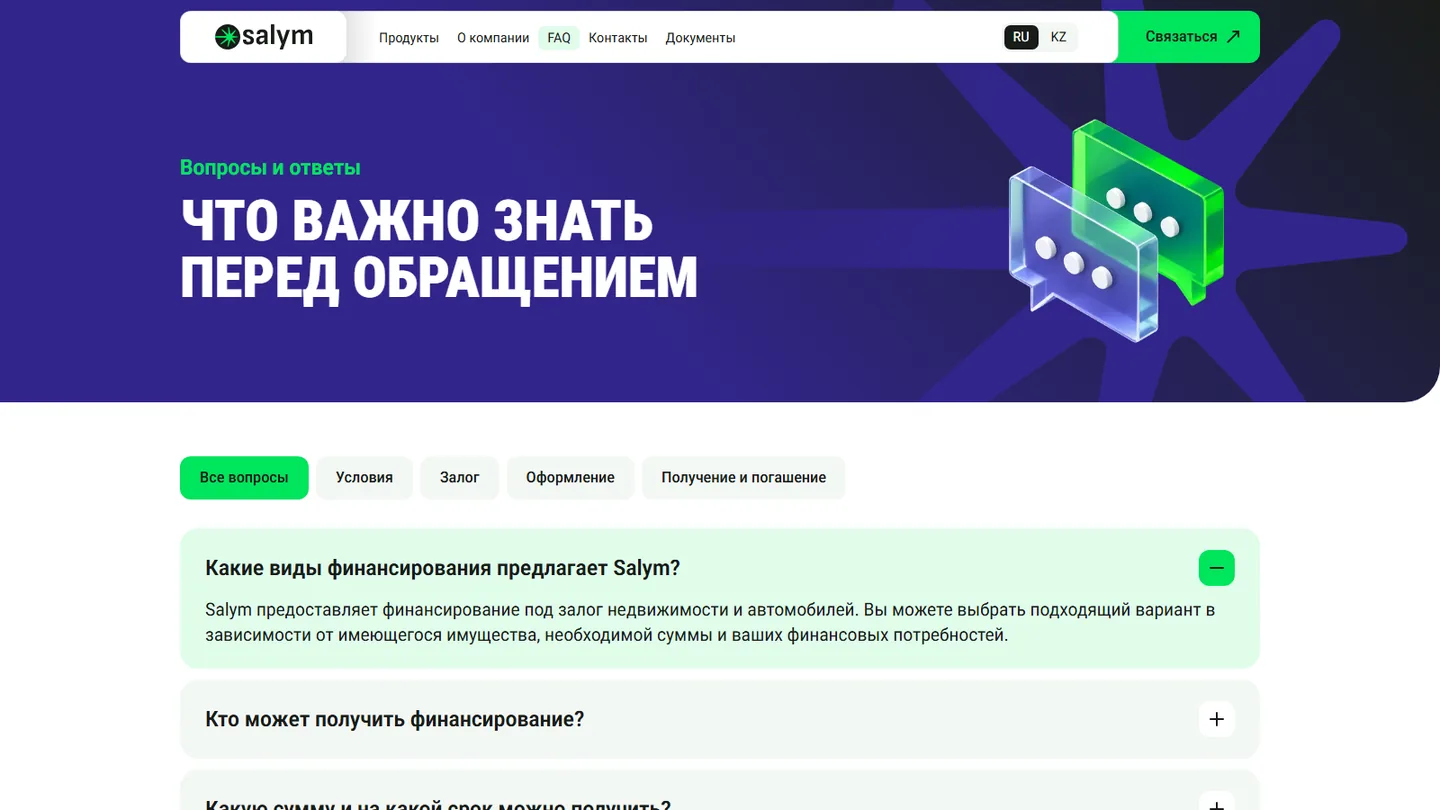
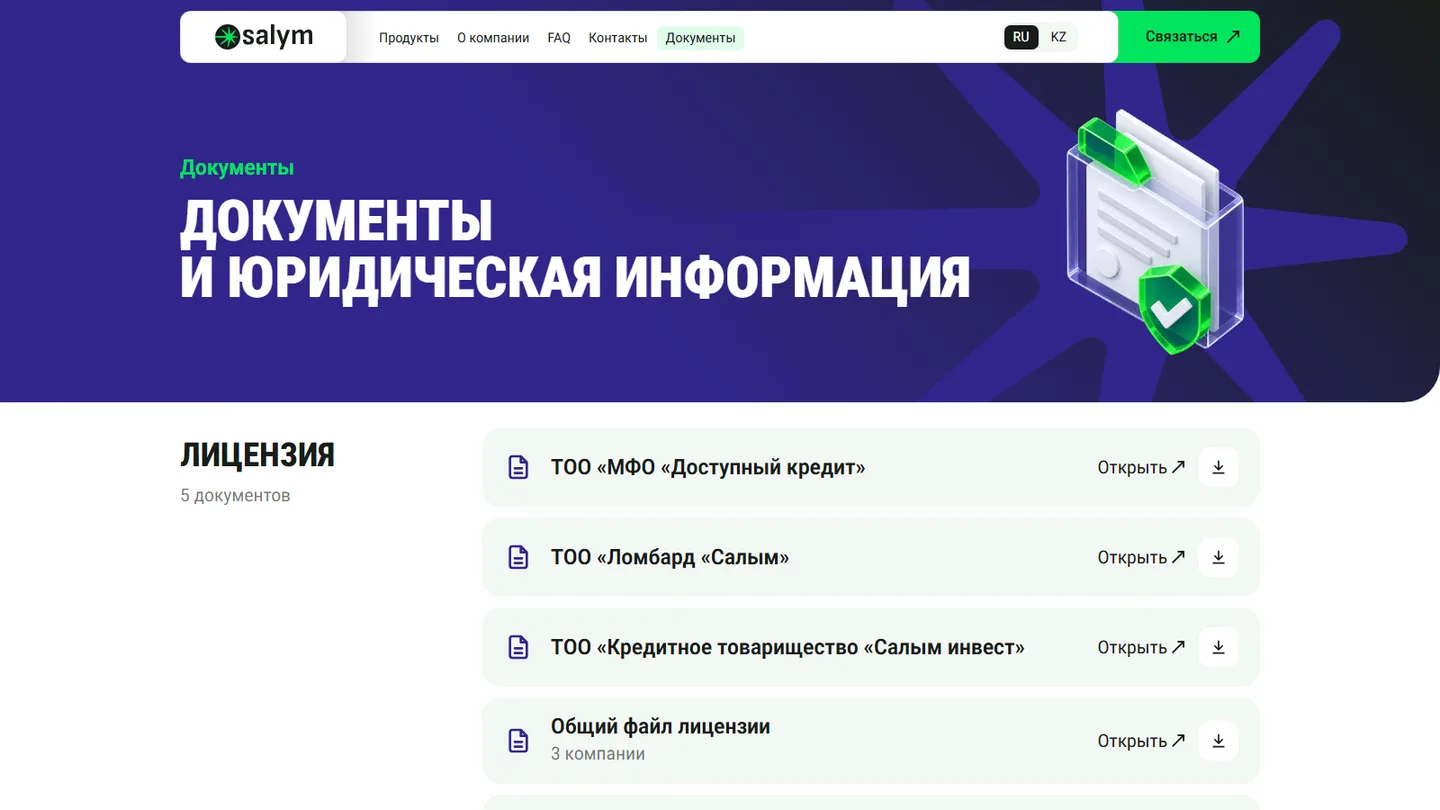
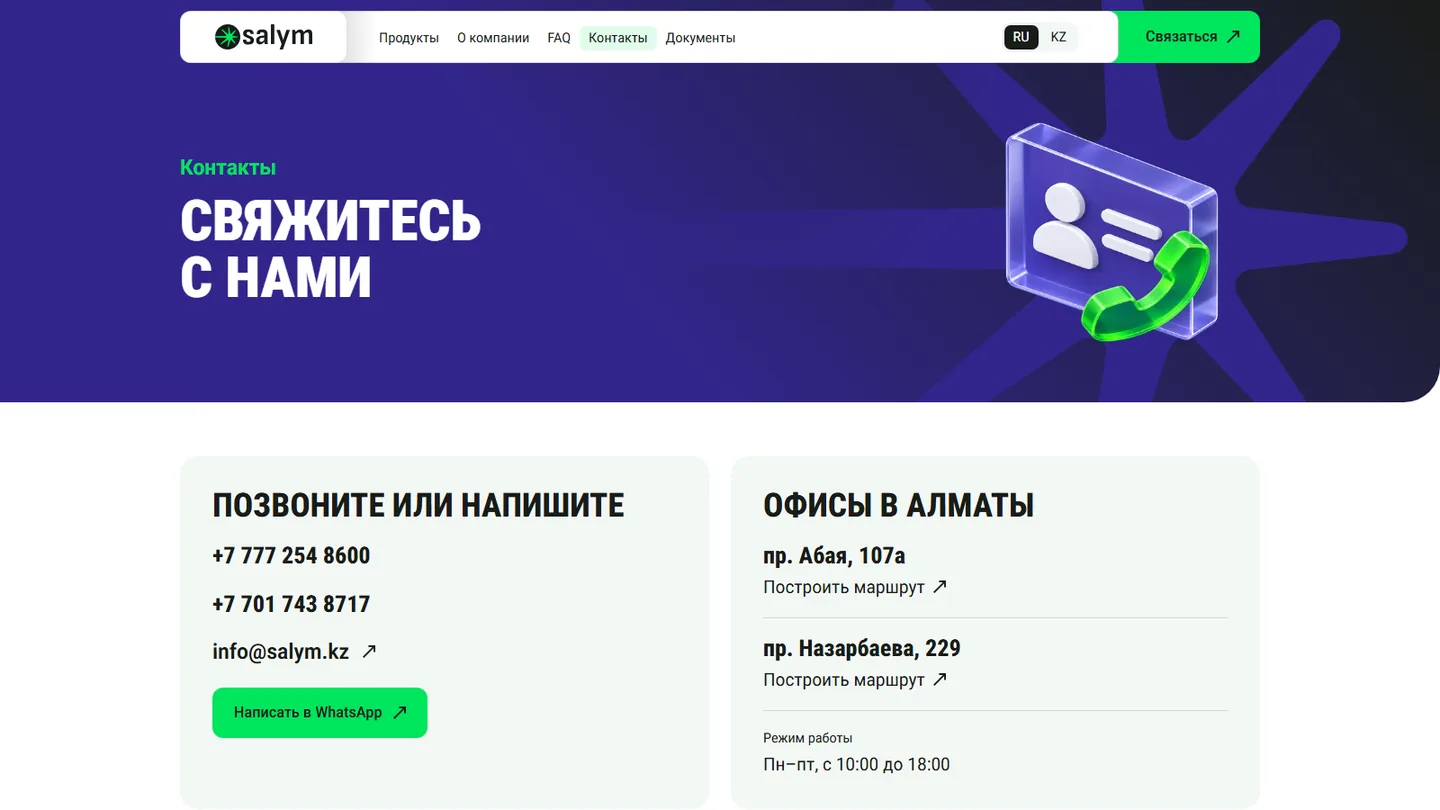
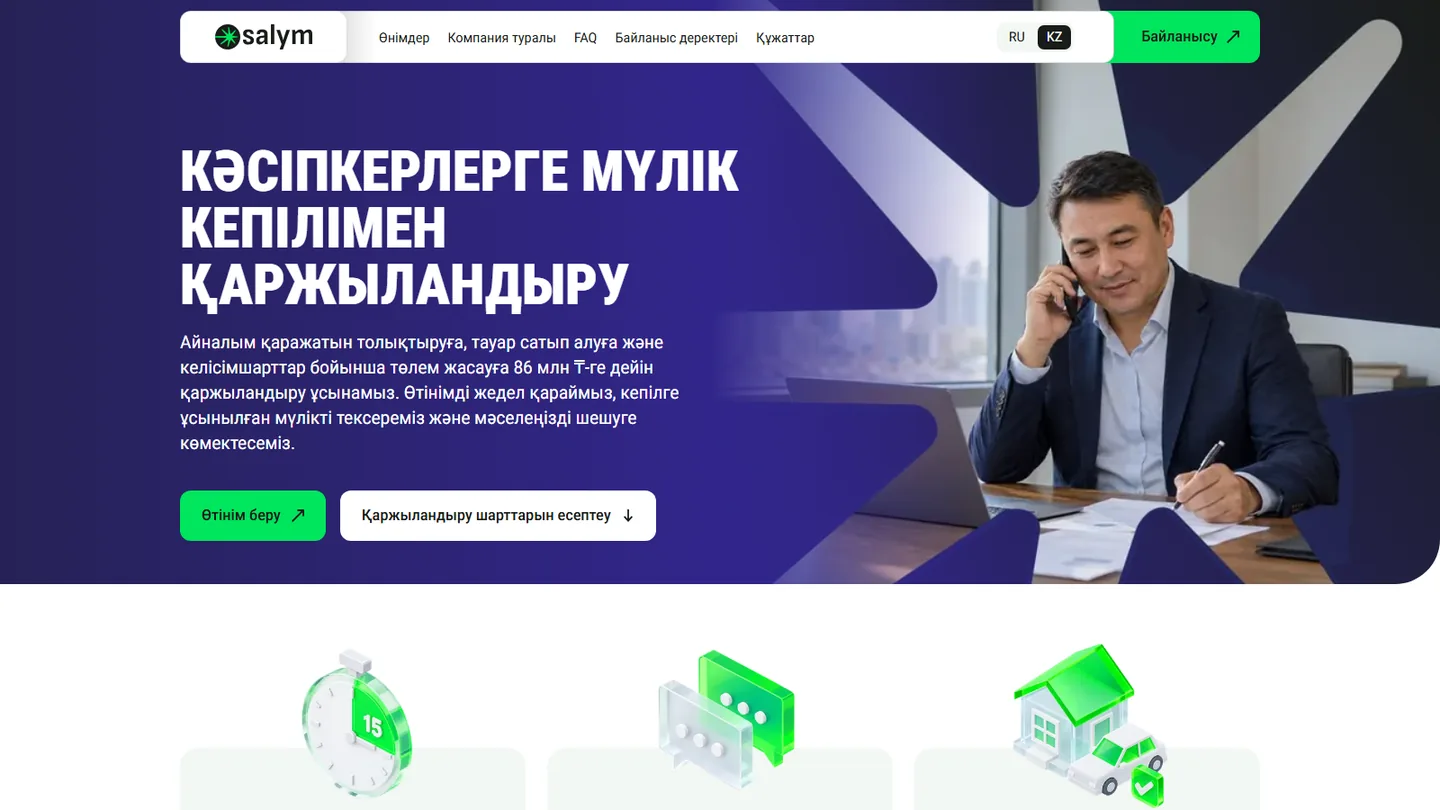
Home, products, About, FAQ, documents, contacts — seven pages in two sizes, 1600 and 390 pixels. An editor assembles them from a closed set of blocks: you cannot stray from the design, but the page always looks as intended.
The interface on the screens is in Russian.
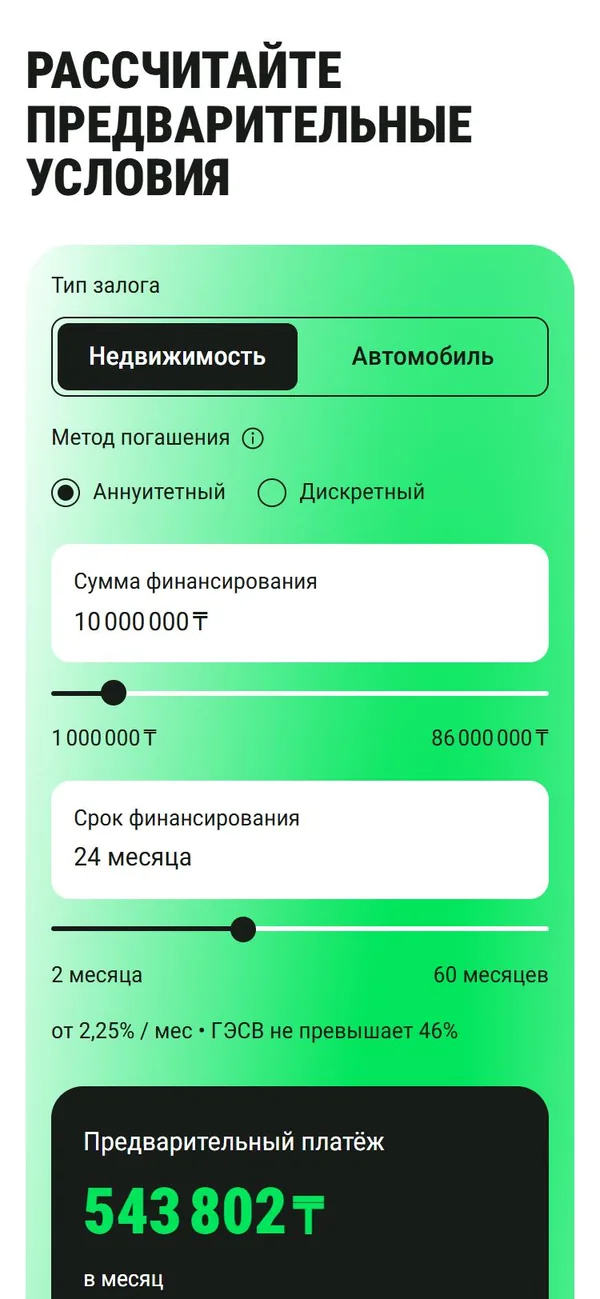
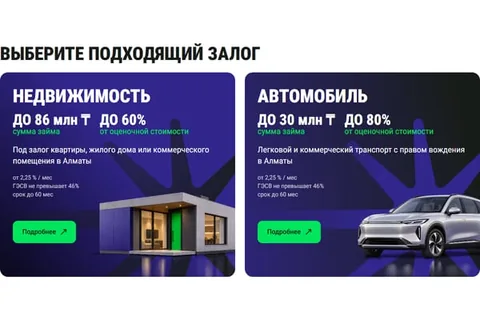
- 6The finished blockhow the cards look on the home page
- 5Content from the admintitle, stats, terms and the button — fields of the product
- 4Componentsthe same as in Figma: heading, stat, button
- 3Background and artcard gradients, stars from the brand style, photos
- 2Grid and spacingtwo columns, a 24 gap, padding 36/32, an 18 step inside
- 1Tokensspacing 4–64, radii 10–24, five colours, four text styles
/ 03 Stack
Under the hood.
01 / 06
- 01SiteCaddy serves it over HTTPS with a Let’s Encrypt certificate
- 02Next.jsa page is a list of blocks, each block is a component
- 03Adminthe same fields as a form, in Russian and Kazakh
- 04Payload 3the content model: fields, drafts, roles, API
- 05PostgreSQL 17pages, products, documents, FAQ, media and their versions
- 06ServerDocker Compose: Caddy, the app, the database, volumes
How a request travels through the server
How a code update reaches the server
/ 04 Admin
The client edits the site on their own.
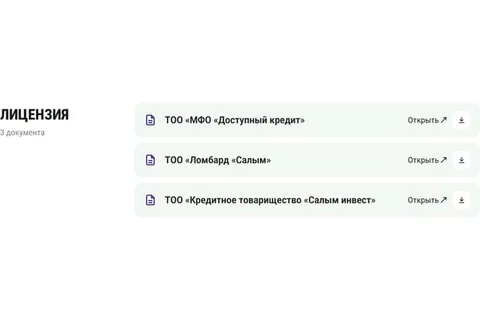
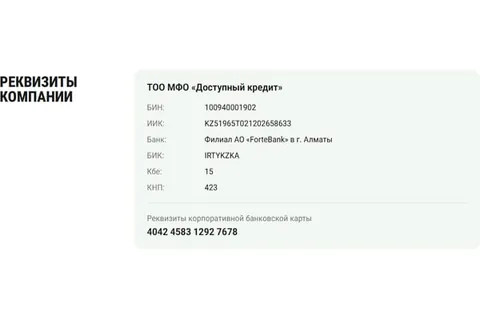
Copy, products, questions, documents and the menu are edited in an admin in Russian — no developer and no deploy. Every block has a “hide on the site” switch, blocks can be dragged, and any version of a page can be restored.
How an edit reaches the site
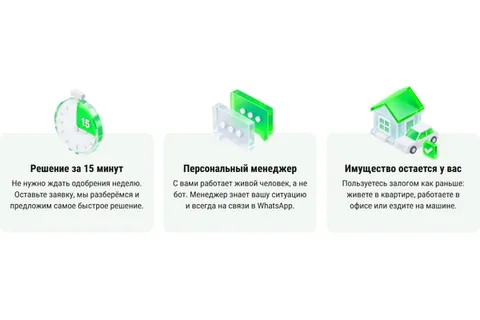
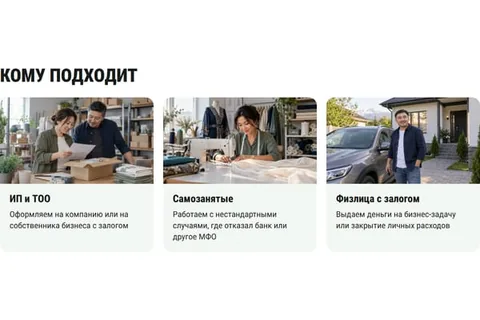
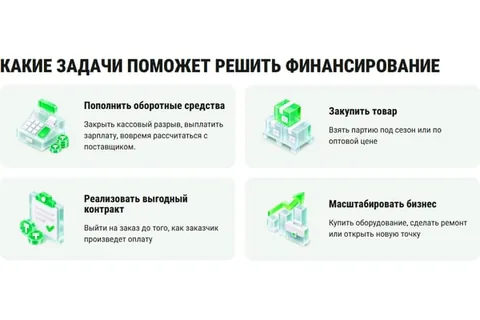
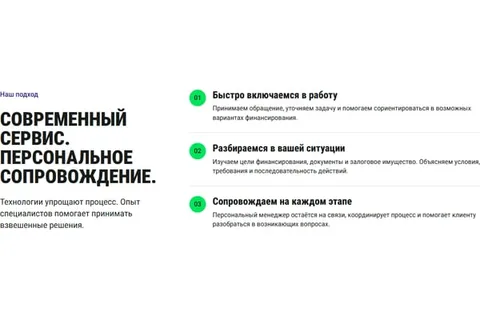
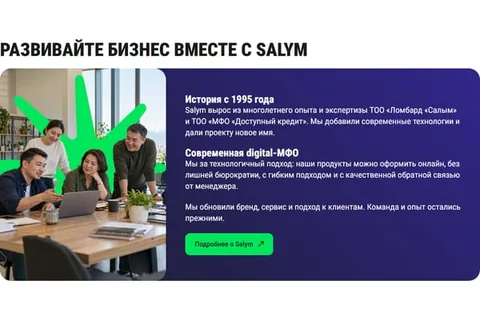
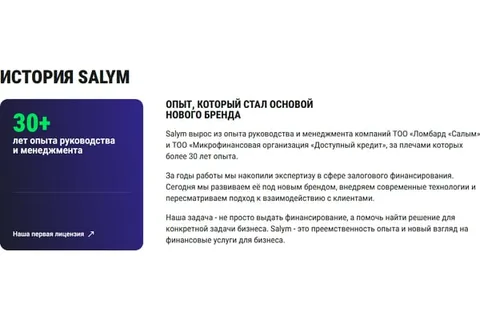
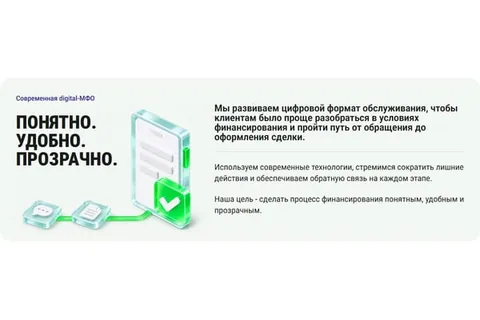
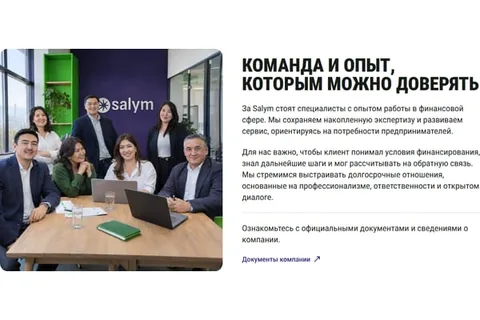
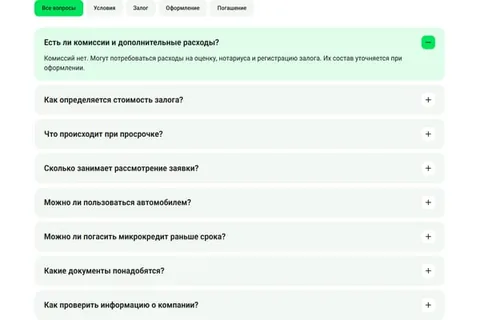
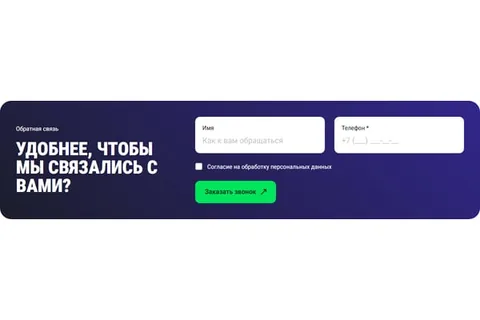
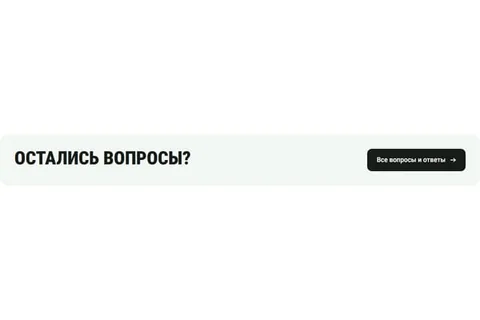
The twenty blocks any page is built from — as they appear in the “Add block” dialog

/ 05 Process
CMS and server first, mockups second.
While the design was in progress, everything that did not depend on it was built: the content model, the admin, applications and a reproducible setup. When the mockups arrived, the layout landed on a ready foundation.
The work ran on task cards, each with its own branch, checkpoints and handoff. AI agents wrote the code; framing, architecture and acceptance were mine.
- SeptemberFoundationEnvironment, Payload, content models, API and preview.
- 10 NovemberLayout from FigmaSeven pages, desktop and phone, 20 CMS blocks.
- NovemberApplications, SEO, serverCRM, the client’s server, the Kazakh translation, admin polish.
- NowTest versionThe site is with the client for review.
- NextLaunchAcceptance and the domain switch.
/ 06 In numbers
A small site built like a product.
/ 07 Along the way
Four problems that were not in the mockup.
- 15 MB → 0.3 MBHome page images: WebP copies at the right widths and srcset.
- Kazakh copy runs longer than RussianA flexible first screen and a “hide the illustration in this language” switch.
- The client’s CRM has no leadsAn application creates a deal together with a contact.
- Documents open in the browserLicences and reports as PDFs — no download needed.
/ Other projects